3D Printing
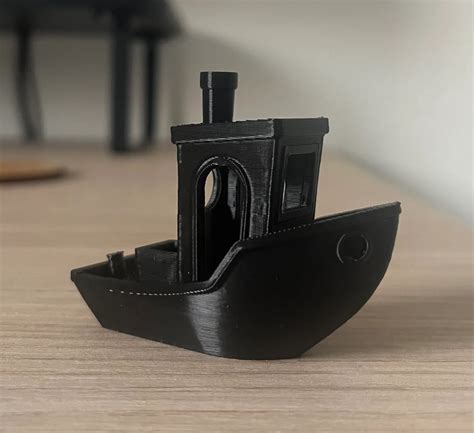
Additive manufacturing, or 3D printing, is the process of manufacturing an object by directly creating it using material, rather than carving it out of material. This results in much less wasted material, at the cost of taking more time to fabricate the part. There are many kinds of 3D printing, but the most common for hobbyists is FDM, Fused Deposition Modeling.
Fused Deposition Modeling is a 3D printing process where a material, usually some kind of plastic, is melted and deposited through a nozzle. The 3D printer prints layers of plastic on top of other layers, which eventually results in a completed part. This results in a layered structure that give 3D prints their distinctive look.
The most common types of plastic for FDM are PLA, PETG, and ABS. PLA is a bioplastic produced from corn. It's very easy to print, but it is extremely weak. PETG is stronger than PLA, but it's harder to print. ABS is the same plastic LEGOs are made out of, and it is stronger and less flexible than PETG. However, it emits harmful fumes while printing, so it needs an enclosure.
The most common defects for FDM are stringing and Elephant's Foot. Stringing appears as lines that stretch between holes in your print. This can be caused by low retraction, setting your nozzle temperature too high, or by wet filament. Elephant's Foot appears as the first few layers of your 3D print being wider than the rest of the print. This can